Stay Connected
Get exclusive insights on military-to-civilian career translation, Hallway Resonator examples, and success stories delivered to your inbox.
Free insights. No spam. Unsubscribe anytime.
Featured Articles


They Served Too. Here's the Authority That Gets Them Hired.
A federal hiring authority most HR offices have never used, and why military spouses need to know about it right now.

If You're a Military Spouse, the Department of War Just Put You at the Front of the Line
A May 20, 2026 directive from the Under Secretary of War for Personnel and Readiness requires all DoW components to consider military spouses first, before any competitive hiring action. Here's what that means for you and how to position yourself now.

The AI Resume Problem Nobody Is Talking About
I can spot an AI-generated resume in about 12 seconds. Not because the formatting is off, because it sounds like everyone else. Here is how to use AI without losing your voice.

The Danger Zone Nobody Talks About
The gap between leaving the military and landing a civilian job leaves veterans vulnerable at a critical moment. SMMC Ruiz connected hiring delays to veteran mental health. Here's how to close the gap from your side.

Welcome to The Passdown: The 3-1-0 Method
Every week, I will provide you with tactical lessons and drills to help you navigate your career transition. This is the first edition of The Passdown, starting with the 3-1-0 Method that changed everything for me.

Partnerships Won't Save You. Preparation Will.
The Sergeant Major of the Marine Corps wants Big Tech to guarantee you a job. It's a great vision. But you can't wait for the system. Here's how to build your own partnership.

The System is Broken. Build Your Own Pipeline.
Sergeant Major of the Marine Corps Carlos Ruiz just told Congress what I've been saying for years: the transition system is broken. Here's what you do while the Pentagon negotiates partnerships.

Why Your Global Income Percentile Doesn't Matter (And What Does)
You might be in the top 10% globally. Congratulations. You're still underpaid. Here's why the global percentile is a distraction, and what actually matters when negotiating your civilian salary.

Behind the Zero Protocol: How Chapter 23 Was Born
I didn't figure out the Zero Protocol by being smart. I figured it out by watching people fail. The real story of how Chapter 23 was born,from watching the same failure pattern repeat to the framework that turns veterans into force multipliers.

The Creed of the Zero: Why Being a "Zero" Is Your Competitive Advantage
A Zero doesn't add noise,a Zero adds magnitude. Learn why being a "Zero" is the ultimate force multiplier in the AI economy.

Commander's Intent: The North Star That Survives First Contact
Stop following checklists. Start operating with Intent. When the process breaks, Intent wins. Three stories from CIC, Amazon, and Sam's Club that prove it.

The Ideal Mindset Will Make You Quit. The Debrief Mindset Will Make You Win.
Most people measure themselves against perfection they haven't reached yet. That's why they quit at Day 30. Here's how to measure backward and move forward.

LinkedIn is Not Social Media. It's a Weapon System.
If the Resume is your rifle, LinkedIn is your radio. You can be the best shooter on the battlefield, but if you can't call for fire, you are fighting alone. Here's how to access the Hidden Job Market.

Why Not Me? How I Went from Self-Doubt to Ranked #1 Twice in the Navy
The voice of doubt never goes away. But I proved it wrong with a system. Ranked #1 twice in Navy promotions. E-6 to Senior Master Sergeant in the Air Force. Sam's Club to Amazon. Why not you?

The 6-Second Resume Scan: What Recruiters Really See
I spend exactly six seconds on your resume during the first pass. Six seconds. Here's what I'm looking for,and why a Lieutenant Colonel's 7-page resume lost to a Major's 1-pager.

Corporate vs Federal Interviews: Two Battlefields, Two Tactics
The interview is not a conversation. It's Close Quarters Combat. Corporate hunts for culture fit. Federal hunts for keywords. Here's how to win both.

The Career Kill Chain: Stop Spraying and Praying. Start Targeting.
Applying to 500 jobs with a generic resume is not a strategy. It's noise. Learn the 6-phase F2T2EA targeting cycle that turns your job search into a precision military operation.
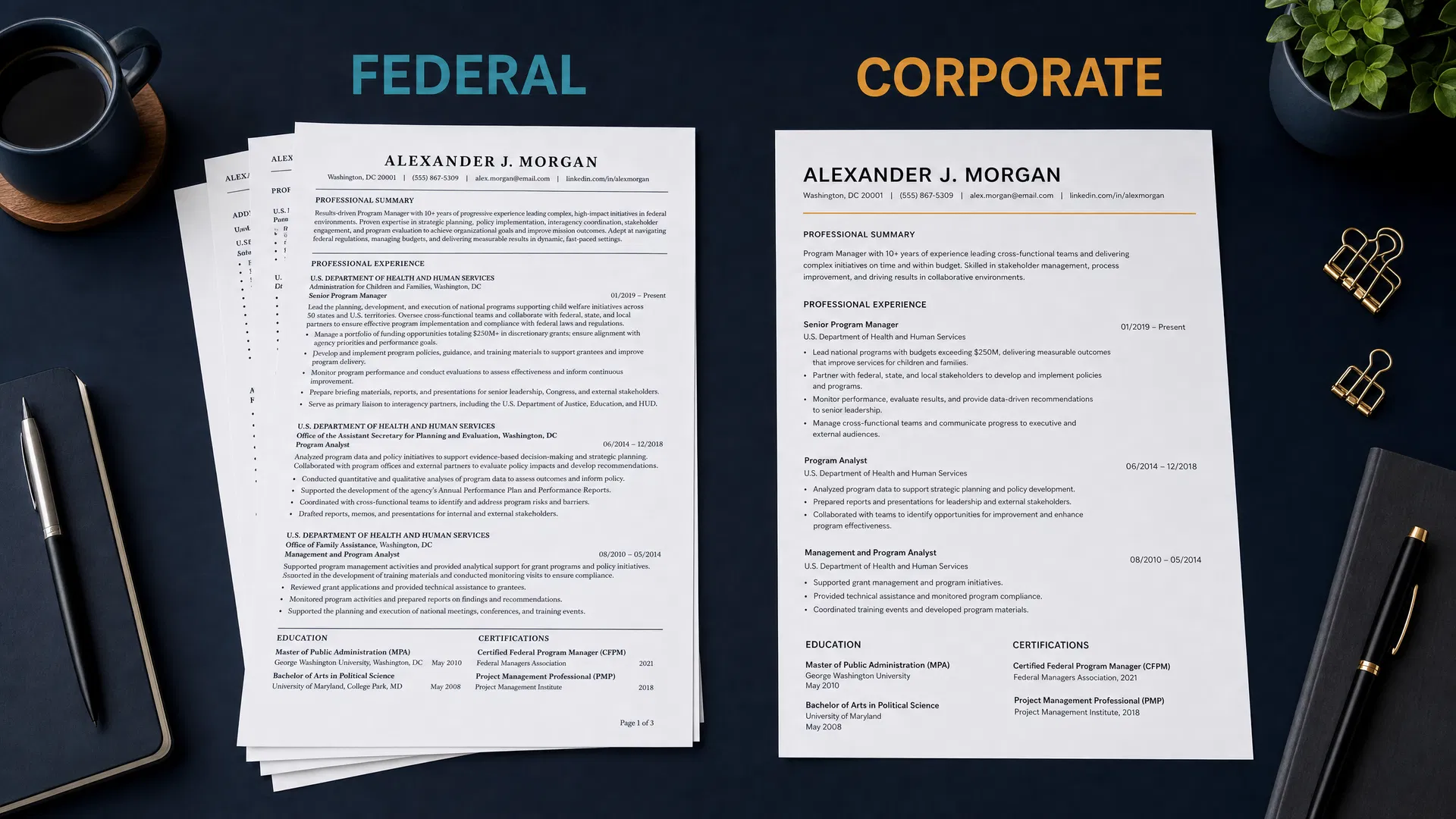
Federal vs. Corporate Resumes: Why You Need Both (And How They Are Different)
One resume does not work for both tracks. Federal wants 2 pages of detail. Corporate wants 1 page of impact. Here is how to build each one.
The Federal Fortress: How to Get Through the Gate
You submit a resume. You wait three months. You get an email: "You have been found ineligible." Here's what's actually happening on the other side of that wall,and how to make it easy for HR to say "Yes."
You Get What You Negotiate
In the military, your paycheck was non-negotiable. This creates a psychological scar I call "Fixed Income Mentality." Here's how to negotiate corporate offers and federal Superior Qualifications,and why one email can put $150,000 in your pocket.

Using AI to Strengthen Your Personal Brand: A Strategic Approach
Learn how to leverage AI tools to refine your brand messaging, test resonators, and accelerate your professional positioning.

The ROI of Personal Branding: How Authentic Brand Identity Accelerates Career Growth
Discover how investing in your personal brand creates measurable career opportunities and long-term professional value.

Translating "Military Spouse" into "Resilient Leader"
How military spouses can articulate their unique strengths and career value.

Military Leadership Translated: From NCO to Executive
How to articulate your military leadership experience for civilian executive roles.

The 3-1-0 Method: How I Stopped Drowning in My Job Search
3 priorities. 1 objective. 0 excuses. The tactical framework that cut through the chaos and helped me land my role in 67 days.

5 Hallway Resonators for Veterans in Tech
Discover authentic phrases that help veterans communicate their unique value in technology roles.
All Articles
54 articles
An AI Interviewer Doesn't Care About Your Firm Handshake
An AI interviewer won't notice your handshake. It only hears your answers. Use this checklist to prepare, pass, and set up the human round after.
The Reservist Brand Problem Nobody Talks About (And the Zero Fluff Fix)
You serve one weekend a month and two weeks a year, but your civilian career runs the other 340 days. Most reservists build two separate identities and wonder why neither one gains traction. Here is how to build one brand that works in both worlds.

You Are Still Serving. Your Brand Should Be Too.
Active duty service members are told to wait until they separate before building a civilian brand. That is the wrong play. Here is how to build your professional identity while you are still in uniform, without violating regulations or burning your career.
Resume Translator: Military-to-Civilian, Federal and Private Sector
Your military resume is written in a language civilian hiring managers do not speak. This is the Zero Fluff guide to translating your service record into a document that gets you interviews, in both the federal and private sector.
Your Name Is a Clearance Level: Federal Personal Branding in the Age of Visibility
In the federal hiring system, your resume gets you screened. Your brand gets you selected. Most federal candidates treat their career like classified information, hidden, compartmentalized, invisible. That strategy is costing them promotions, details, and opportunities they never even knew existed.

Interview Prep: Translating Military Stories Into Winning Answers
Behavioral interviews are won or lost on one thing: the quality of your stories. Veterans have extraordinary stories. The problem is translation. Here is the Zero Fluff guide to crushing behavioral interviews with military experience.

Networking Scripts: Authentic Phrases for Veterans Who Mean Business
Veterans hate networking because most networking advice is fake. These scripts are different, they are direct, authentic, and built for people who communicate the way the military trained them to: clearly, specifically, and without wasting anyone's time.

The 3-G Protocol: Tactical Resilience for Veterans in Transition
When the enemy is in your head, you need a protocol to win the inner war. The 3-G Protocol, Ground, Gear, Go, is the mental resilience framework for veterans navigating the hardest stretch of the transition.

Clearance Monetization Guide: How to Negotiate What Your Clearance Is Actually Worth
A TS/SCI clearance can be worth $20,000 to $50,000 in additional annual compensation in the right sector. Most veterans leave that money on the table because they do not know how to negotiate clearance value. Here is how.
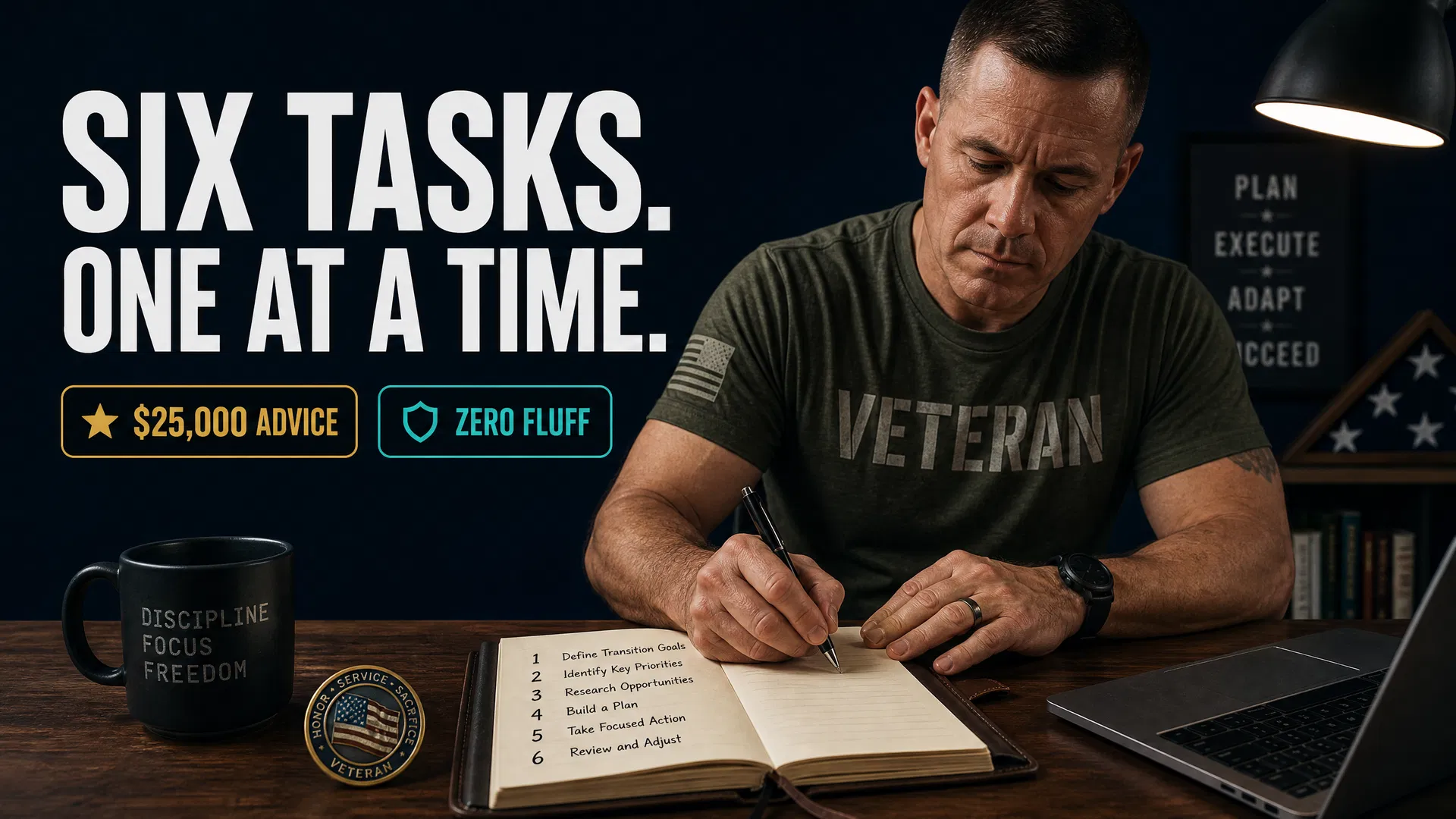
The Ivy Lee Method: A 100-Year-Old System That Still Outperforms Modern Productivity Apps
In 1918, a consultant named Ivy Lee gave Charles Schwab a deceptively simple system for getting the right things done. Schwab paid him $25,000 for it. The method is six tasks, ranked by priority, worked through in order, one at a time. For veterans in career transition, it is one of the most powerful daily disciplines available.

The Transition Clock Is Already Running. Here's the Sequence That Actually Works.
The service members who transition well almost never started 12 months out. They started 24 to 36 months out and built deliberately. The Zero Fluff approach to transition preparation is not a checklist, it's a sequence. The order matters as much as the actions.

Deprogramming Combat Brain: The Inner War Kit for the Civilian Transition
The same mental wiring that kept you alive in a combat environment can sabotage your civilian career. Hypervigilance, command authority, and zero-defect thinking are assets in uniform. In a civilian office, they are liabilities, unless you know how to recalibrate.

You PCS'd Again. Your Career Doesn't Have To Start Over.
Domestic military spouses face a different brand problem than their OCONUS counterparts, but it's just as real. Every PCS resets your local network, your employer relationships, and your professional visibility. Here's how to build a career brand that moves with you.

The Hallway Resonator Builder: Translate Your Military Experience Into Words Civilians Actually Hear
The elevator pitch is dead. The Hallway Resonator is what replaces it, one authentic sentence that communicates your value in any conversation, without sounding scripted or rehearsed. Here is how to build yours.

The Zero Protocol: How to Debrief Your Military Career Before You Build What's Next
In the military, the After Action Review is not optional. The Zero Protocol applies that same debrief discipline to your career transition, four honest questions that produce the foundation everything else gets built on. Most people skip this step. That's why most transitions stall.

Military Spouse Career Toolkit: Build a Career That Moves With You
PCS moves, deployment cycles, and career gaps are not disqualifiers. They are evidence of adaptability, the exact trait civilian employers claim they want. Here is how to reframe your story and build a career that survives every move.

Your Career Didn't PCS With You. Here's How to Rebuild It Anywhere.
There is a specific kind of professional grief that military spouses overseas rarely talk about. You built something, and then orders came. The Zero Fluff answer is not 'stay positive', it's to build a brand that is location-independent, gap-resistant, and legible to any employer in any market.
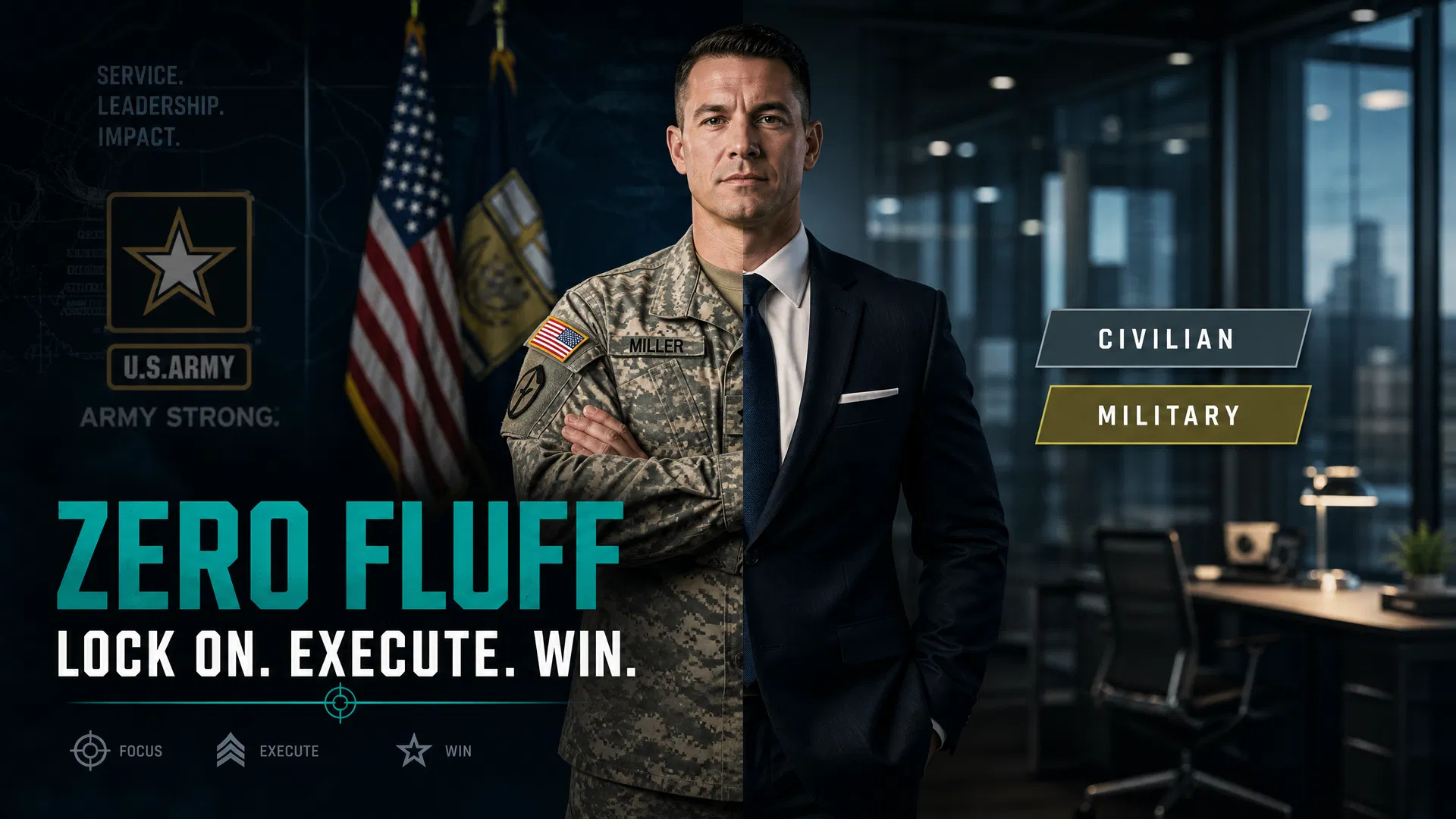
The Reservist Brand Problem Nobody Talks About (And the Zero Fluff Fix)
You serve one weekend a month and carry more leadership experience than most civilians accumulate in a decade. But you're invisible in both worlds. The Zero Fluff methodology gives reservists a framework to build an integrated brand that gets full credit in both the civilian market and the military context.

The 3-R Protocol: Rally. Re-Fit. Re-Engage.
A rejection is not a sign of failure. It is an After Action Review waiting to happen. The 3-R Protocol is your recovery framework for every setback in the job search, from the ghosted application to the offer that fell through.

You're Still in Uniform. Your Brand Clock Is Already Running.
Most active duty service members think personal branding is something you do when you're getting out. That's exactly backwards. The best time to build your brand is while you're still in uniform, here is why and how to start now.

The Passdown: Career Intel for Veterans Who Are Done Guessing
In the military, the passdown is how critical information transfers between shifts. This is your career passdown, the intel on civilian hiring that nobody briefed you on before you signed out.

Hiring Manager Outreach Scripts: The Application Is the Backup Plan
The conversation is the mission. Veterans who contact hiring managers before, during, and after applying get hired at dramatically higher rates. Here are the exact scripts to do it without being awkward or aggressive.

The Negotiation: The Greatest Mistake Is Accepting Step 1
Most veterans accept the first offer without a single counter. From a recruiter with experience on both sides of the hiring table: one counter can be worth $10,000 to $20,000 in annual salary. Here is how to do it without burning the relationship.

V.E.T.S. Method: Finding Mentors Who Actually Move the Needle
Most veterans waste years in the wrong mentor relationships. The V.E.T.S. Method gives you a four-filter system to identify, approach, and activate mentors who will actually change the trajectory of your career.

Your Title Is Not Your Brand. Your Reputation Is.
Competence is the floor, not the ceiling. In a market reshaped by layoffs, AI, and remote work, being good at your job is no longer enough. Here is how white collar professionals build a brand that opens the right doors before they need them open.
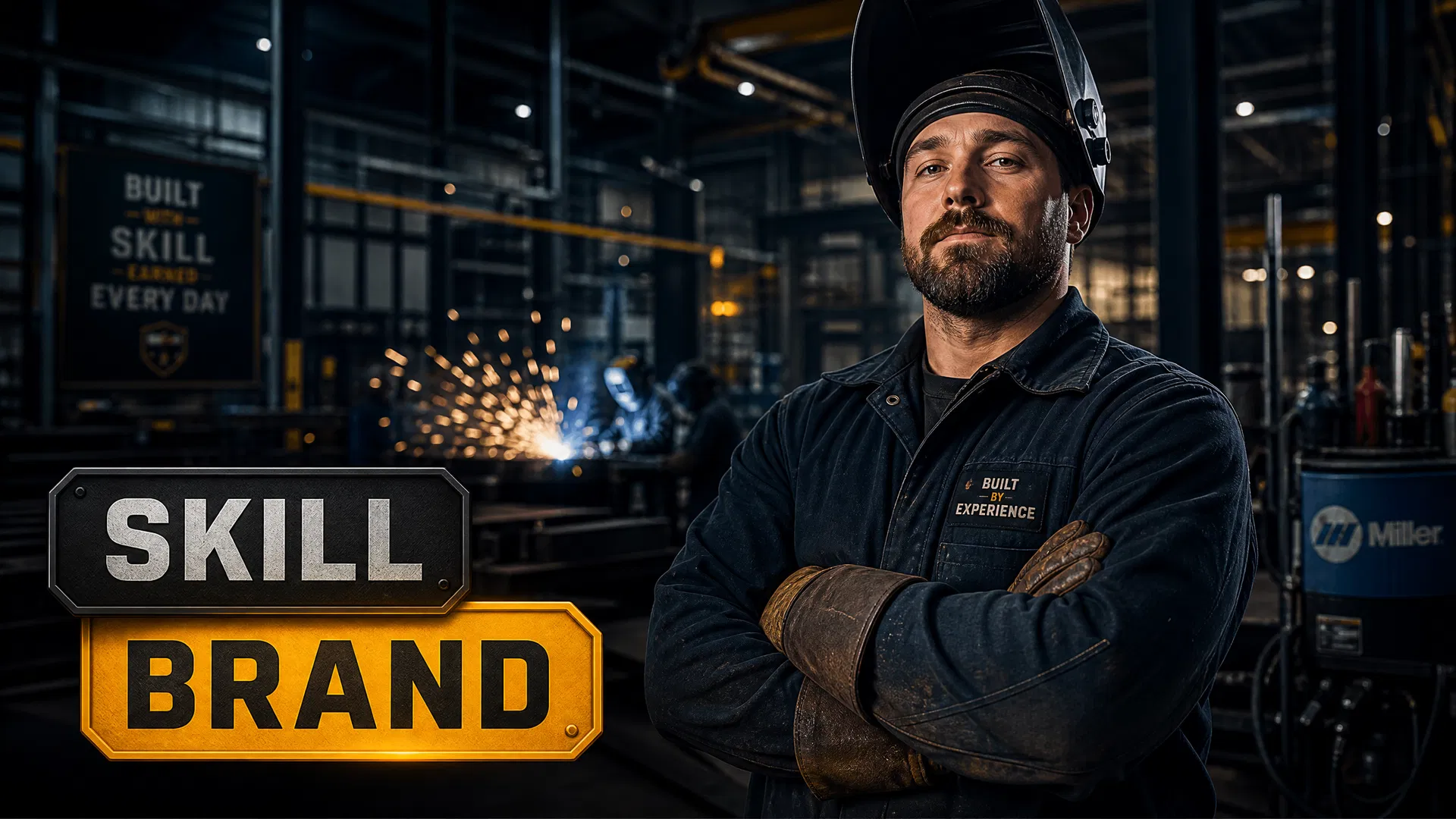
You Built the Thing. Now Build the Brand.
Skill without visibility is a ceiling. In 2026, the best jobs, contracts, and opportunities in the skilled trades are going to the people who are both qualified and findable. Here is how to build a brand that matches your expertise.

Remember Lot's Wife: The Cost of Looking Back
Veterans don't just carry rucks, we carry our past lives. Jesus gives us three words about that loadout: "Remember Lot's wife." Here is what that means for anyone navigating the hardest transition of their life.

Your Federal Personal Brand Is Not Your Resume. Here Is What It Actually Is.
Most federal job seekers treat their personal brand like a resume attachment. That is the wrong play. Here is the zero-fluff breakdown of what actually drives your federal career trajectory.

You Are Not Starting Over: The Domestic Military Spouse Career Comeback Strategy
Every domestic PCS feels like a reset. The geography changes, the network disappears, and the job search starts from scratch. But the experience, the skills, and the professional record you built do not disappear when the moving truck pulls away. The challenge is building a brand that is bigger than any single location.

The OCONUS Advantage: Building a Portable Career Brand That Travels With Your Orders
Military spouses stationed overseas are not career victims, they are professionals with a cross-cultural competency stack that most domestic candidates cannot match. The challenge is not the experience. The challenge is translating it into a brand that a hiring manager in a different time zone can recognize and act on.

Certifications > Degree: The Financial Case for Skipping the Classroom
The data is shifting fast. Fewer than 1 in 5 job postings require a four-year degree, and a well-chosen certification will do more for your career right now than two to four years of tuition debt.

Soft Skills Don't Get You the Interview. Hard Skills Don't Get You Promoted. Here's What Actually Works.
A recruiter spends six to eight seconds on an initial resume scan. They are not reading about your ability to communicate effectively. They are scanning for keywords, certifications, and quantifiable results. But the flip side is equally true: hard skills alone will plateau your career. The answer is not a choice between the two.

The Dual Identity Advantage: How Military Reservists Can Build a Brand That Works in Both Worlds
Military reservists operate in two professional worlds simultaneously, and most of them are underselling both. Here's how to build a personal brand that makes your reserve service a civilian career accelerator, not a scheduling footnote.

You Are Already a Brand. You Just Haven't Claimed It Yet.
Active duty service members are building a professional brand every single day, through their performance, their leadership, and the way they carry themselves. The problem is most of them don't realize it, and they're not packaging it. Here's how to change that before you take off the uniform.

Your Title Is Not Your Brand: White Collar Personal Branding in a Market That No Longer Cares About Your Job Description
Your title is a label. Your brand is what people say about you when you're not in the room. Here's how white collar professionals build a brand that belongs to them.

Your Hands Built It. Your Brand Should Say So.
Personal branding advice built for the trades, not the boardroom. A real framework for skilled trades professionals who want to build a professional identity that earns respect and attracts better opportunities.

Stop Waiting to Feel Ready: The Zero Protocol for Career Action Under Uncertainty
There is a version of you that is waiting. Waiting to finish one more certification. Waiting for the market to settle. Waiting to feel ready. That version of you is losing ground every day.

The Civilian Job Market Doesn't Speak Military, Here's How to Translate
I left the military with a master's degree, a security clearance, and 25 years of service, and ended up stocking shelves at Sam's Club. Not because I wasn't qualified. Because I couldn't translate.

How to Write a LinkedIn Headline That Gets Federal Hiring Teams to Click
Your LinkedIn headline is doing one of two things: working for you or working against you. Most veteran headlines describe the past. Federal hiring teams are searching for what you can do today.

Why Your Federal Resume Is Getting Screened Out Before a Human Reads It
Most veterans spend weeks building a federal resume and hear nothing back. That silence is not random, it is the result of a system that filters you out before a human ever sees your name.

The AI-Augmented Operator: Weaponizing Artificial Intelligence for the 2026 Job Search
Most veterans are either ignoring AI entirely or using it poorly, copy-pasting robotic summaries that every experienced recruiter can spot from a mile away. Both approaches cost you opportunities you earned the right to compete for. Here is how to operate with it.

You Are Not Ready for That Hiring Fair (And Here Is How to Fix That Before You Walk In)
Most veterans walk out of hiring fairs with a tote bag full of swag and zero callbacks. That is not a hiring problem. That is a preparation problem. Here is how to fix it before you walk through the door.

The Reservist Advantage: Leveraging Dual Identity for Career Success
How military reservists can strategically position their unique dual military-civilian identity as a professional asset.

Personal Branding for Active Duty Military: Building Your Post-Service Identity Now
How active duty service members can strategically build their professional brand while still in uniform.

White Collar Personal Branding: Standing Out in Corporate America
Strategic approaches to building a distinctive professional brand in competitive corporate environments.

The Solo Operator Reality Check: Are You Ready to Drop the W-2?
Before you burn the ships and declare yourself a full-time entrepreneur, you need to run a diagnostic. These are the four deadliest traps that kill new Solo Operators.

Personal Branding for Skilled Trades: From Craftsman to Industry Leader
How skilled trades professionals can build powerful personal brands that command premium rates and create career opportunities.
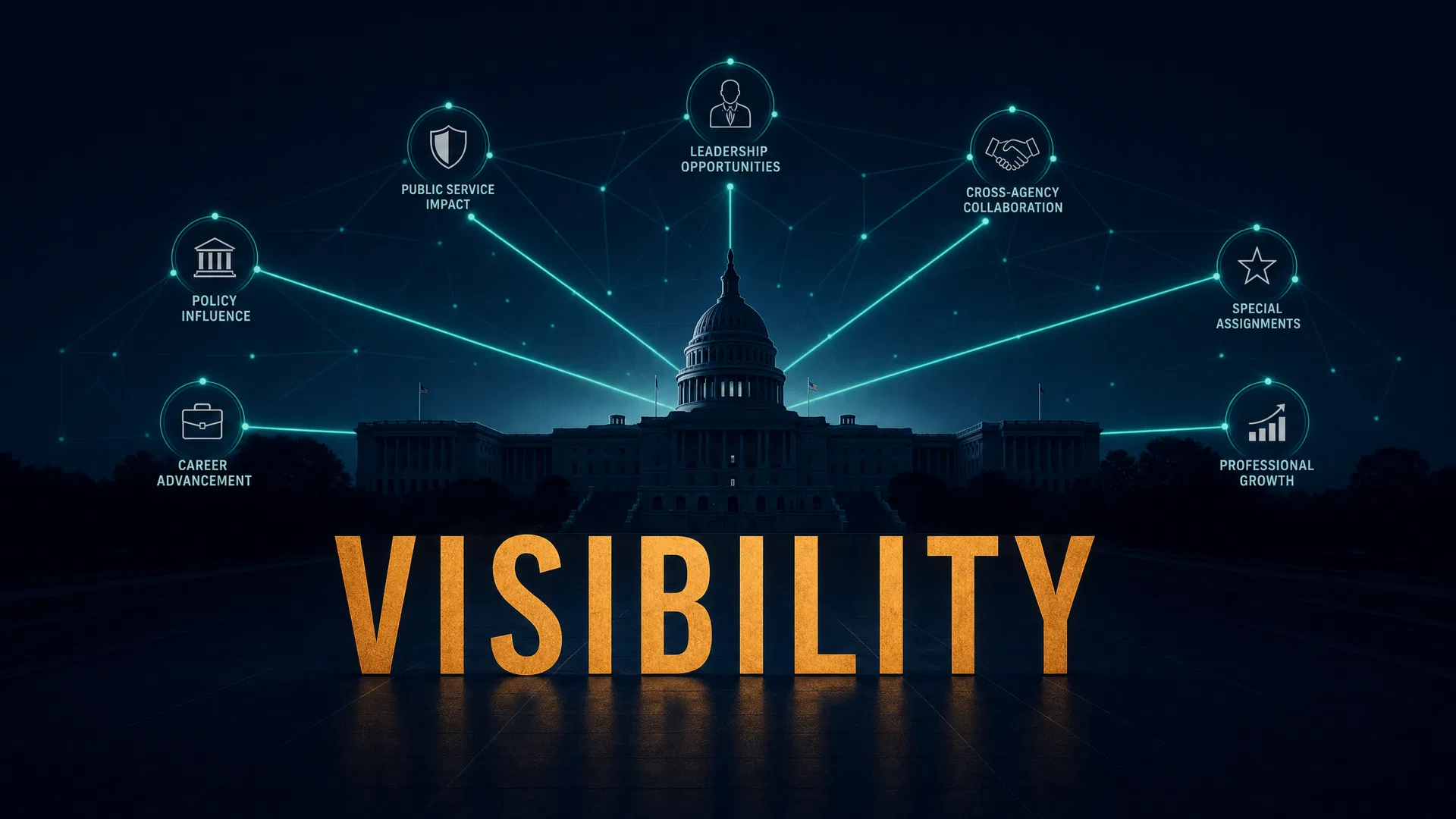
Building Your Personal Brand in Federal Service: Visibility Without Violating Protocol
Navigate the unique challenges of personal branding in federal careers while maintaining professionalism and compliance.

Maintaining Career Momentum Through Guard Deployments
Strategic approaches to protect and even enhance your civilian career trajectory before, during, and after National Guard deployments.
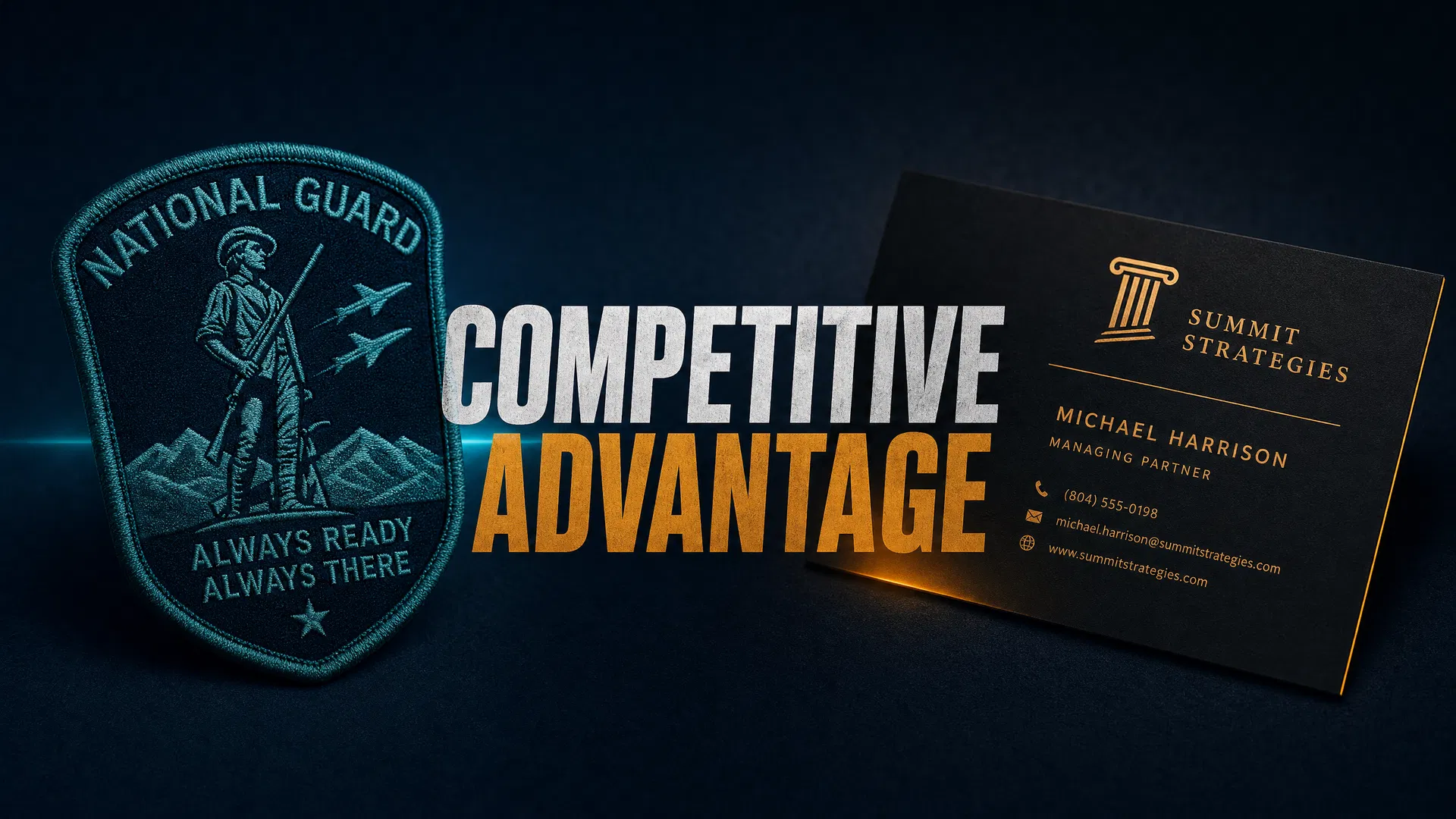
Reserves & National Guard: Your Dual Identity is Your Competitive Advantage
Learn how to position your Reserve/Guard service as a unique professional asset that demonstrates leadership, adaptability, and commitment.

Why Hallway Resonators Beat Elevator Pitches
The science behind why authentic phrases work better than scripted pitches.
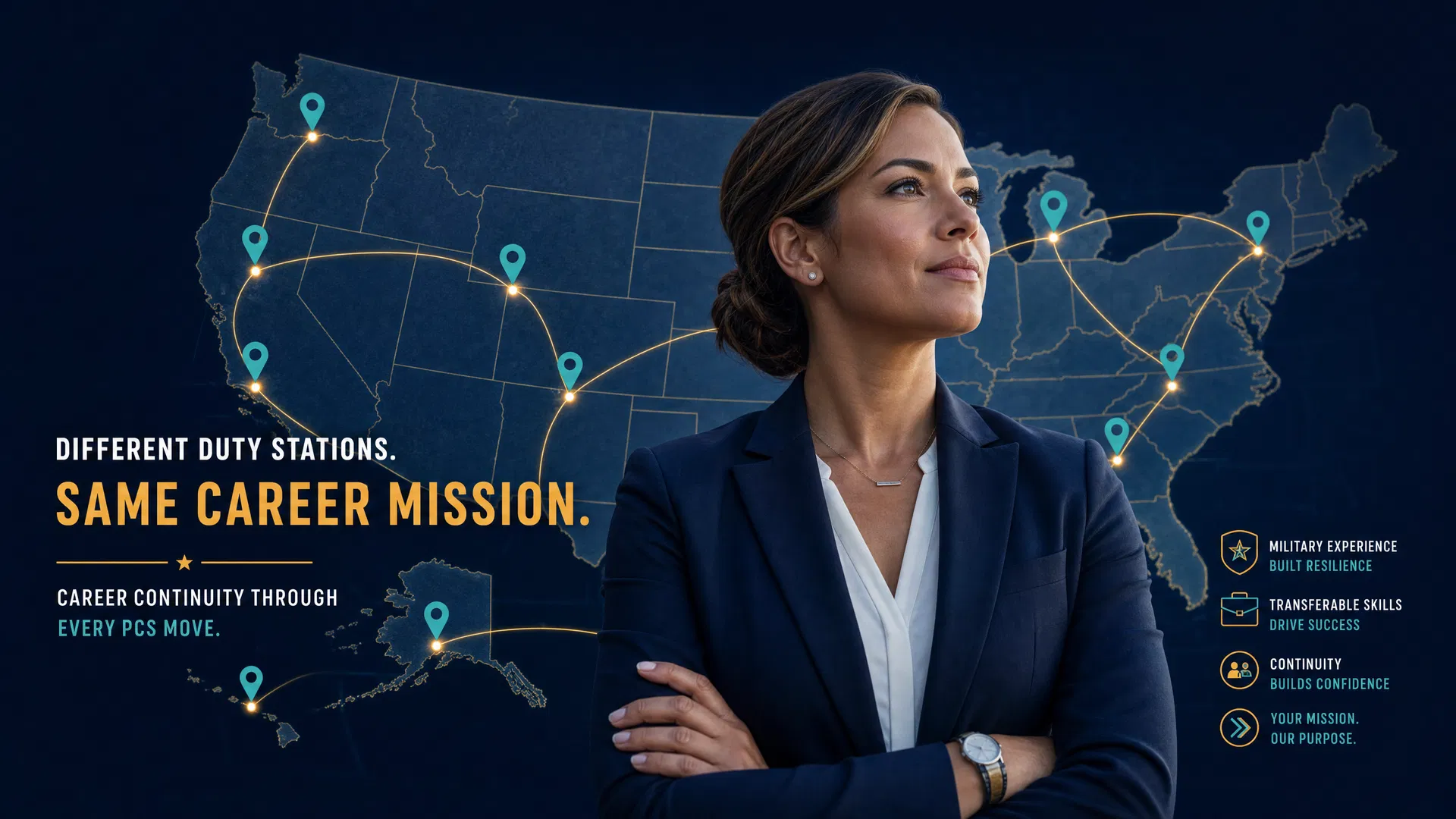
Career Continuity for Military Spouses: Strategies That Work
Practical approaches to maintaining and advancing your career through military transitions.

Career Continuity at Home: Personal Branding for Domestic Military Spouses
Strategic approaches to building resilient careers for military spouses navigating frequent domestic relocations.

Building Your Brand Abroad: Career Strategies for Military Spouses Overseas
How military spouses stationed overseas can build powerful professional brands despite geographic and legal constraints.
Ready to Build Your Talent Brand?
Discover your authentic professional identity and create Hallway Resonators that resonate with your network.
Get Your Free Zero Fluff Guide